"Latvijas Finieris Group" Begins Construction of a New Resin Factory

Author
Latvijas Finieris Group

January 16, 2025

research entrepreneurship

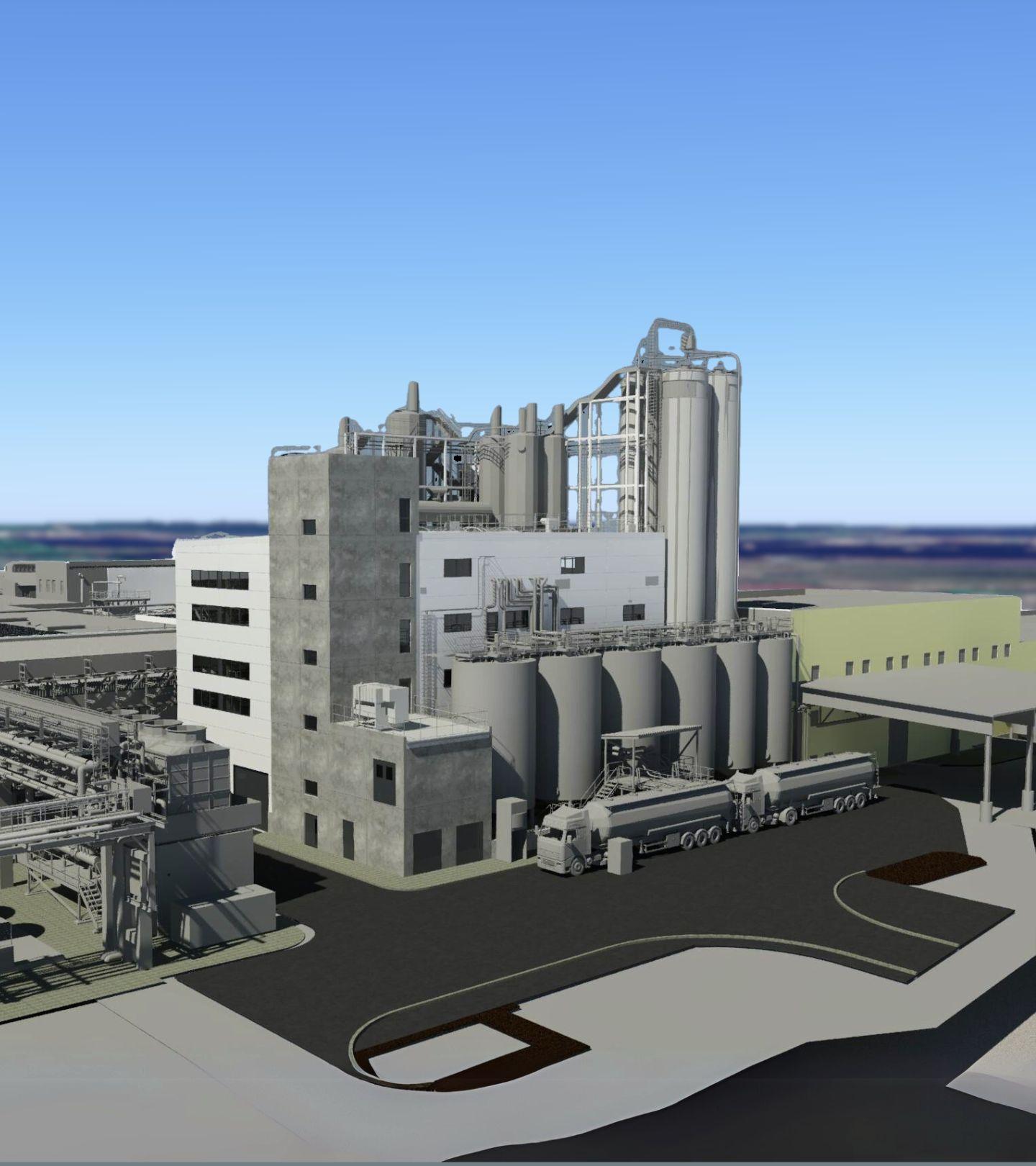
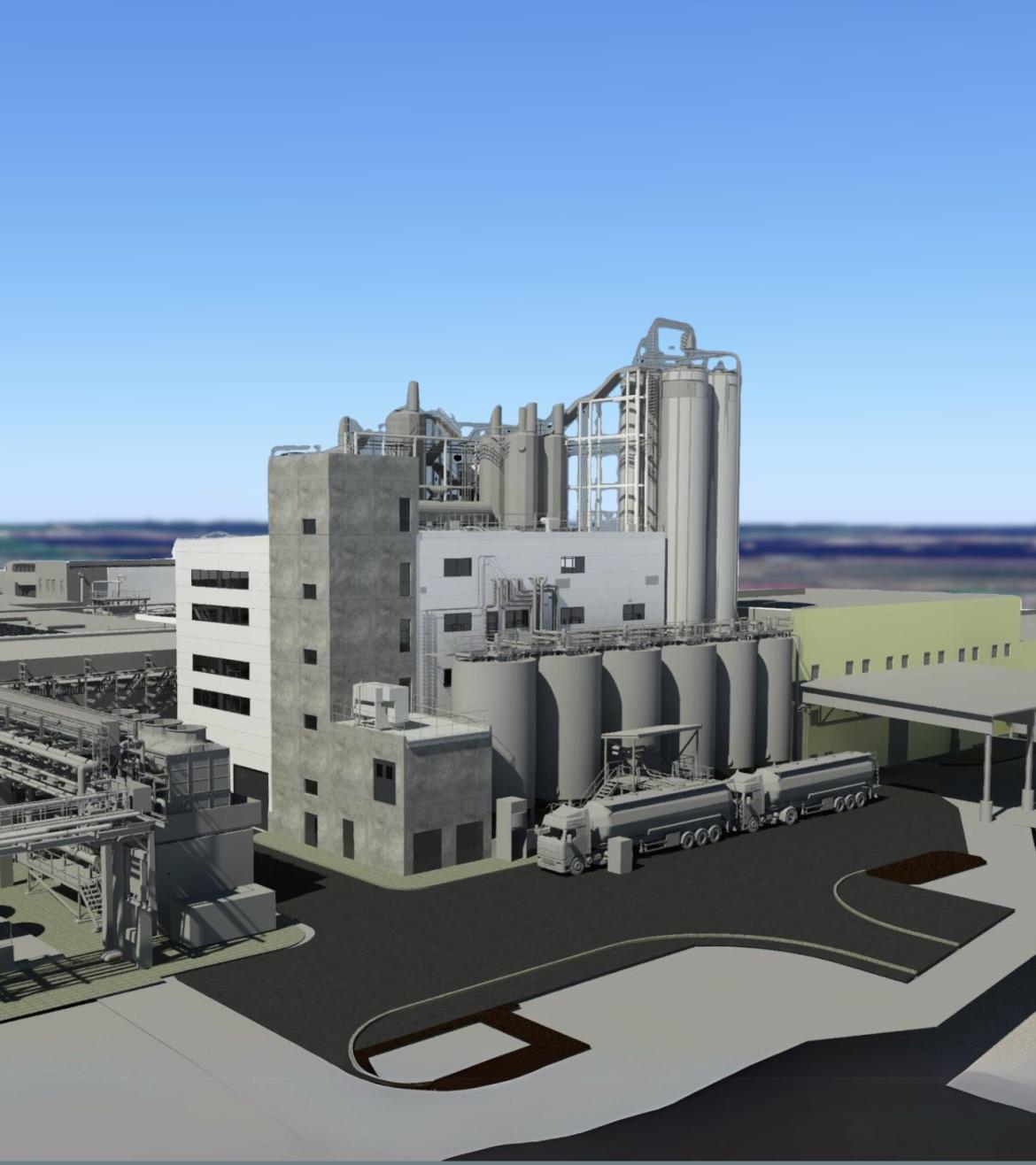
The concern "Latvijas Finieris Group", in collaboration with research institutions and scientists, is developing a new synthetic resin production process based on the natural wood component lignin. This approach will allow reducing the use of fossil raw materials in phenol formaldehyde resins, which are used in the production of furniture, flooring, thermal insulation, sandpaper and other everyday products. The Group has already started construction of a new factory in Riga, Bolderāja, to implement this innovative project.
KPR-2.jpg
Visualization of the new factory of the “Latvijas Finieris Group” in Bolderāja, Riga.

The event was complemented by the seminar "Research, Industry, Innovations – Stories of Synergy", where experience was shared by the Latvian State Institute of Wood Chemistry, leading researcher Jānis Rižikovs; the Latvian State Forest Research Institute "Silava", leading researcher Andis Lazdiņš; and Māris Būmanis, Member of the Board at the "Latvijas Finieris".

The factory construction is part of the international research consortium project “VIOBOND”, led by "Latvijas Finieris", which unites eight partners from five EU member states. The project aims to develop a formula and create the world’s first industrial production technology for "greener," more environmentally and human-friendly synthetic phenol-formaldehyde resins currently used in plywood, insulation materials, furniture, flooring, sandpaper, and many other everyday products.

The total research costs for the VIOBOND project amount to €32 million, of which €16 million comes from the European Commission's Horizon 2020 research and innovation funding program, with the remainder contributed by the participating companies.

To implement the project, "Latvijas Finieris" will conduct research worth €16 million, with €8 million co-financed by the "Horizon Europe" program. The total investment by "Latvijas Finieris" for constructing the factory is approximately €40 million.

The grant agreement signing process was completed on May 18, 2021, officially marking the beginning of this significant collaboration. The project is scheduled for completion by August 31, 2027, with factory construction expected to be finalized by the spring of 2026.

Recommended articles

research

Saving humanity by combing bees – LVMI “Silava” scientists explain how they study pollinator diversity

Environmental engineer Santa Ieviņa from the Latvian State Forest Research Institute "Silava" (LSFRI "Silava") has prepared a popular science article within the framework of the Latvian Council of Science-supported project Forest roads as multifunctional ecosystems: biodiversity, ecosyste…

Latvian State Forest Research Institute "Silava"

March 18, 2026

research science communication

How Researcher Velga Polinska Is Changing Attitudes Toward Easy Language

"Easy language is not an alternative to literature – it works like glasses for those with poor eyesight," emphasises University of Latvia (UL) researcher Velga Polinska, who in November represented Latvia in an international science communication competition in France, presenting her research on ea…

Ieva Lazdiņa |Editor of the University of Latvia publication "Alma Mater"

March 17, 2026

research space international collaboration

University of Latvia launches the European Commission’s Copernicus Atmosphere Monitoring Service National Collaboration Programme in Latvia

At the Faculty of Science and Technology (FST) of the University of Latvia (UL), the implementation of the European Centre for Medium-Range Weather Forecasts (ECMWF) Copernicus Atmosphere Monitoring Service National Collaboration Programme (CAMS NCP) in Latvia has been launched. This initiative is …

Faculty of Science and Technology

March 17, 2026

research research

How Can Electrical Resistance Reveal Fake Honey?

Honey is one of the most frequently adulterated food products in the world. At first glance, it may appear flawless – golden, fragrant, and enticing – yet it is often diluted with inexpensive sugar syrups derived from sugar beet or corn. Such adulteration is nearly impossible to detect by sight or …

University of Latvia Foundation

March 13, 2026